Chest Bottle

Chest Bottle

What is a Chest Bottle?

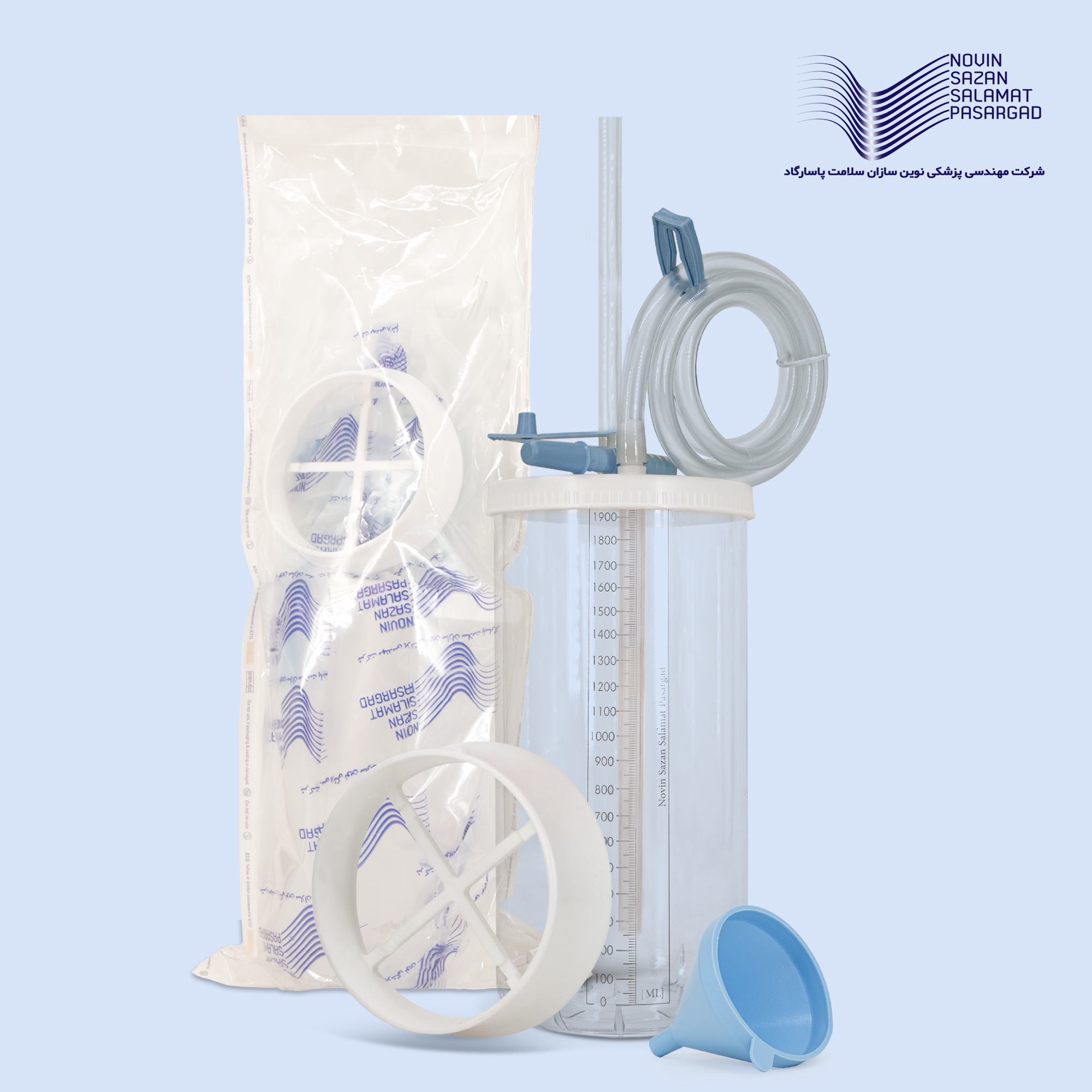
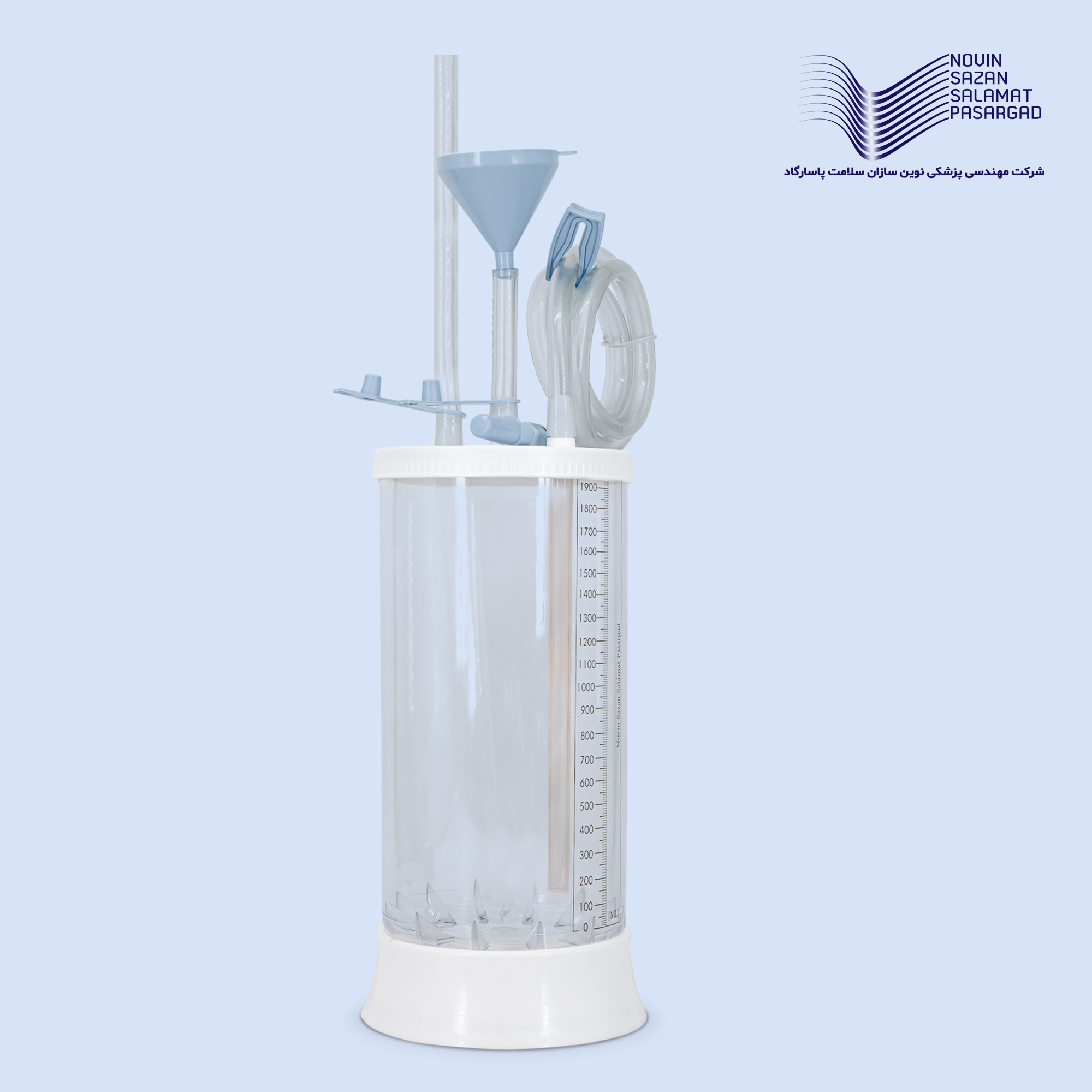
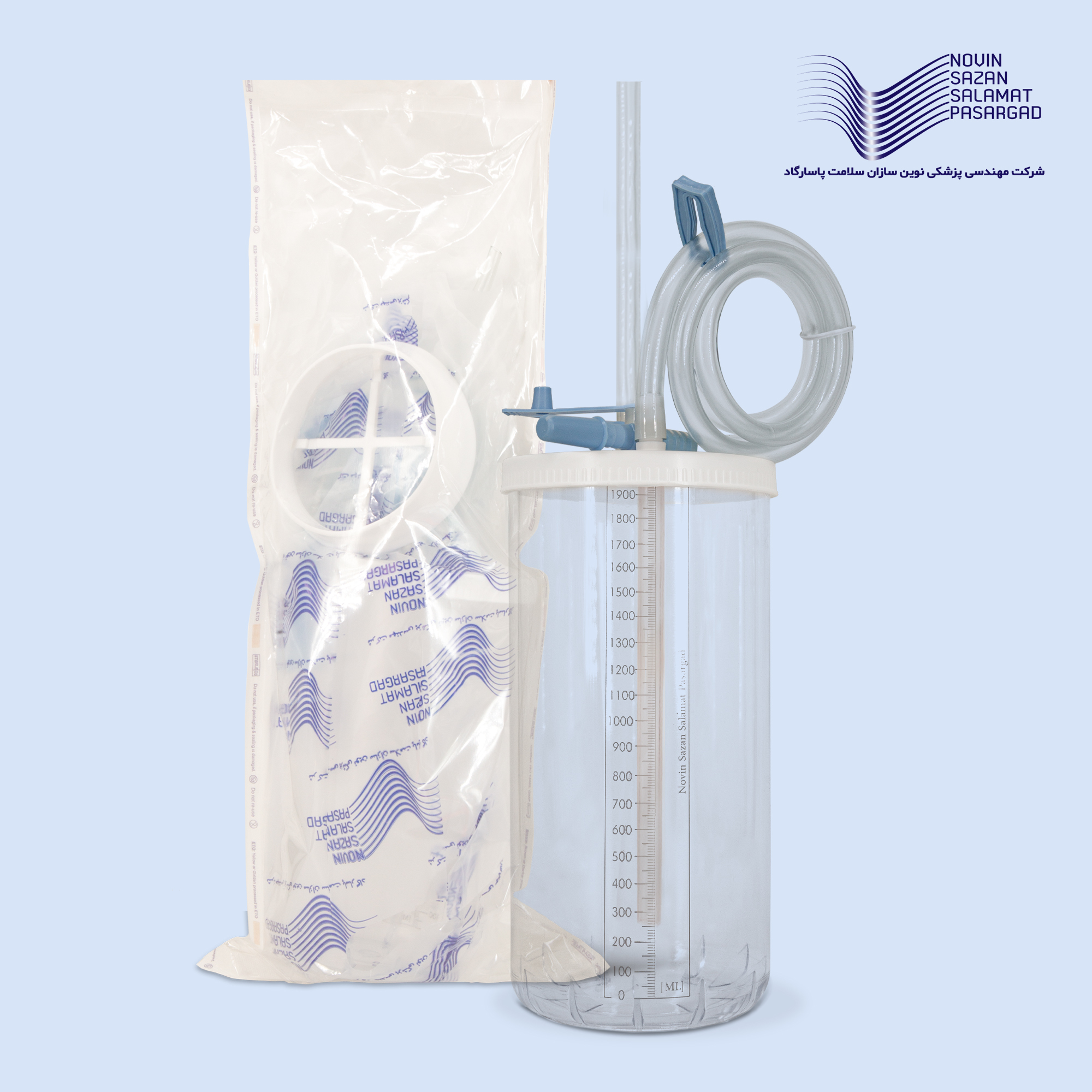
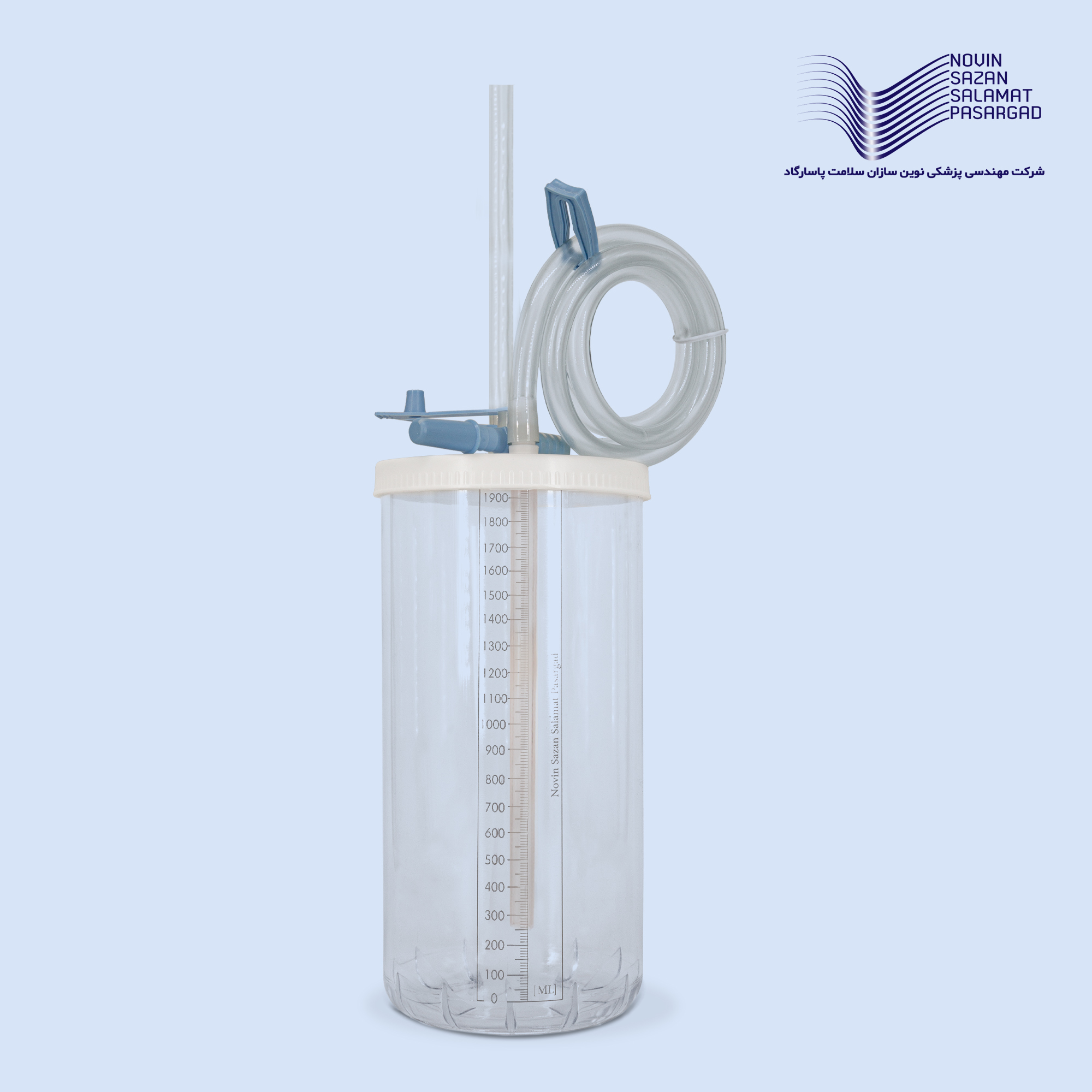
A chest bottle, also known as a pleural drainage bottle, is a simple and effective device used to drain fluid or air from the pleural space (the area between the lung’s two pleural layers). This device is commonly employed in patients suffering from pneumothorax (air in the chest), hemothorax (blood in the chest), or pleural effusion (accumulation of fluid in the pleura).

Mechanism of Action

Chest bottles operate on the principle of one-way flow, allowing air or fluid to exit the pleural cavity without permitting its return—typically using water or a one-way valve.

Indications

  • Spontaneous pneumothorax, trauma-induced, or post-surgical
  • Hemothorax management
  • Drainage of pleural effusion, including empyema or malignant fluid
  • After chest surgery or thoracotomy
  • Open-heart or major lung interventions

Main Components

  • Collection bottle: transparent container for fluid/air measurement
  • Drainage tube: connects the patient’s pleural space to the bottle
  • One-way valve system: prevents backflow
  • Water-seal chamber: provides the one-way mechanism; bubbling indicates air evacuation
  • Air outlet or suction-control valve: ensures safe air escape and avoids excessive negative pressure
  • Stand or clamp: secures the bottle beside the bed or on the floor

Functional Mechanics

  1. Establishing drainage: A tube (drain) connects pleural space with the bottle.
  2. Negative pressure restoration: Removes abnormal air/fluid to re-establish lung expansion.
  3. Water seal operation: Allows exit of air/fluid but prevents backflow; visible by bubbling.
  4. Optional suction: External negative pressure can be applied for faster drainage.
  5. Monitoring: Fluid volume, color, and flow rate are evaluated by clinical staff.

Description

Types of Chest Bottles (Chest Drainage Systems):

1 – One Bottle System
The simplest type of chest bottle.
A single bottle contains water, into which the drainage tube is inserted.
Pressure from the lung pushes fluid, allowing air to pass through the water.

  • Advantage: Simple and inexpensive.
  • Limitation: Cannot handle large amounts of fluid.


2 – Two Bottle System

  • The first bottle collects fluid.
  • The second bottle functions as a water-seal one-way valve.
  • Advantage: Allows simultaneous drainage of both fluid and air without interference.


3 – Three Bottle System

  • First bottle: Fluid collection.
  • Second bottle: Water-seal valve.
  • Third bottle: Suction control (regulates negative pressure).
    This is the most advanced classical system; commonly used in ICUs and thoracic surgeries.


Applications of Chest Bottle (Chest Drainage System):

  • Treatment of pneumothorax (spontaneous, traumatic, or post-surgical).
  • Management of hemothorax.
  • Drainage of pleural effusion, including purulent or malignant effusion.
  • Post thoracic surgeries or thoracotomy.
  • After open-heart surgery or major pulmonary interventions.

Main Components of a Chest Bottle:

  • Collection Bottle/Chamber: Collects fluids or air from the pleural space. Usually transparent to allow monitoring of fluid volume.
  • Connecting Tube: One end connects to the drain (inserted inside the patient’s body), and the other end attaches to the chest bottle.
  • Valve / One-Way System: Prevents backflow of air or fluid into the patient’s chest. Some models use floating valves or a water-seal system.
  • Water Seal Chamber: Filled with a small amount of water to simulate a one-way valve mechanism.
  • Air Outlet Valve / Pressure Regulator: Ensures safe air evacuation when needed and prevents excessive negative pressure.
  • Stand or Holder/Clamp: Keeps the chest bottle stable beside the patient’s bed or on the floor.
Download Catalog